Trending

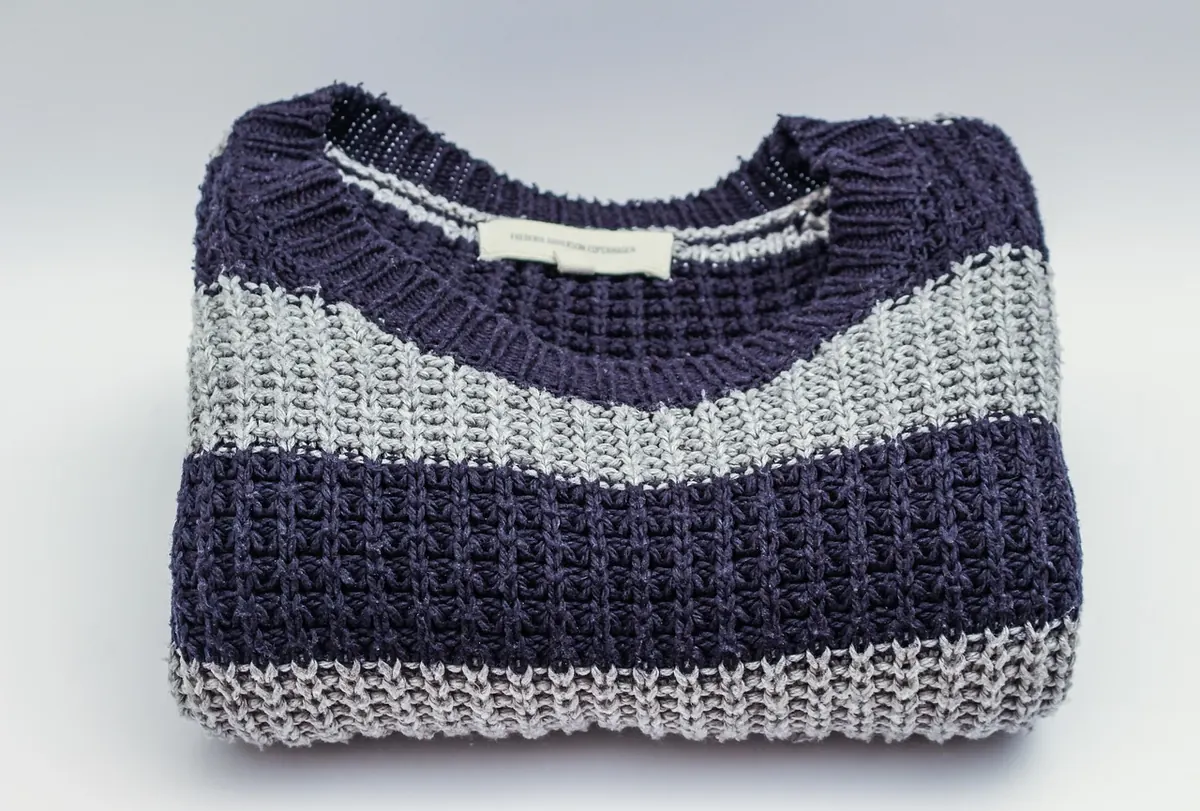
The week the heating finally goes off is the week most winter knits get put away, and usually in a hurry. A sweater goes into a bin still smelling faintly of Sunday lunch. A cardigan gets hung on a hook because the shelf is full. The mittens end up in a bag at the back of a cupboard, and nobody thinks about them again until October.
That is when the surprises turn up: a small hole in one sleeve, cuffs that now hang past your knuckles, a surface that feels rougher than you remember. Almost none of this damage happens while you are wearing the sweater. It happens in the four or five months when nobody is looking. The good news is that the fix is not fussy. An hour or so per season, done in the right order, keeps wool, alpaca, cashmere and their blends in the shape you knitted or paid for.
Lay everything out in daylight before it goes anywhere near water. Daylight is unforgiving in a useful way: it shows the thin patch at the elbow, the pilling under the arms, the seam that has started to gape. Turn each piece inside out and look at the places that take the most friction.
Deal with the small repairs now. Sew the button back on, catch the dropped stitch, darn the tiny hole. Mending a clean, dry sweater in April is a far nicer job than mending a musty one in November, and a hole left alone for five months becomes three holes.
Pilling is worth handling too, but gently. A sweater comb or a fabric shaver used flat and lightly will lift the fuzz without cutting into the fabric. Go slowly around cables, lace and any loose gauge; a shaver taken to a chunky hand-knit can snag a stitch and pull a whole column loose.
Less often than most people think. Wool resists odour and dirt well, and airing a sweater overnight on a wide hanger near an open window does more than a hot wash ever will. Wearing a thin base layer underneath cuts down on how much the knit has to absorb, and spot cleaning a cuff with a damp cloth and a drop of wool detergent saves a whole immersion.
But the end-of-season wash is not optional, even for a sweater that only came out for a few dinners. Moths are not attracted to wool so much as to what is on it: sweat, skin cells, hair, a splash of soup. A garment that smells faintly of the person who wore it is a garment worth laying eggs in. Wash everything before it goes away, including the pieces that look clean.
Blends need the same treatment. Wool-acrylic holds odour just as stubbornly, and cotton-wool mixes can stretch out of shape in storage if they are folded under weight.
Felting is caused by three things working together: heat, agitation and a sudden change in temperature. Remove any one of them and the fibres stay where you put them. Work through this in order and take your time.
Superwash wool and many blends can go in the drum, but only on a dedicated wool or hand-wash cycle with a low spin. Use a mesh laundry bag to stop the drum from snagging the fabric, keep the machine well under half full, and skip the spin entirely if you can. Never put a wool knit in a tumble dryer; the heat and tumbling are two of the three felting ingredients at once.
A wet sweater weighs several times what a dry one does. Hang it and the whole garment pulls downward from the shoulders, which is how you end up with sleeves that reach your knuckles and a body that has grown a size. Dry everything flat, on a mesh rack or a folded towel, somewhere with moving air.
Keep it away from radiators, direct sun and the top of a hot appliance. Wool dried fast and hot goes stiff and slightly felty at the edges. Reshape the garment while it is still damp: ease the ribbing back to its original width, square the shoulders, pat the body into shape. For cables and lace, pin the piece to the measurements given in the pattern, or lay it against a sweater you already own and trust. It is much easier to correct a shape now than after it has dried.
How you pack things away matters as much as how you wash them.
Clothes moths lay their eggs in dark, undisturbed places and their larvae eat protein fibres — wool, cashmere, alpaca, silk. Clean storage removes the food smell that draws them in; that is genuinely half the battle. Cedar blocks and lavender sachets help as deterrents, but they are not killers, and they lose their scent over time. Refresh cedar by sanding a corner and crush lavender sachets between your fingers every few months.
Freezing is a useful extra step rather than a guarantee. Seal the garment in a bag, leave it in the coldest part of the freezer for several days, then let it come to room temperature still sealed so condensation does not dampen the wool. Pheromone traps are worth putting in the cupboard as an early warning system, not as a cure.
Spring: inspect, mend, wash and dry everything properly, then fold it into clean, breathable storage with a cedar block or two. Midsummer: open the boxes, air each piece for an hour, and look for holes or gritty patches that suggest larvae. Autumn: air the knits again, check the fit, and put the mending basket by your chair. An hour in spring, twenty minutes in July, and a quick look before the cold arrives is all it takes to keep a wardrobe of winter knits looking like it did in January.
Photo: Pexels / Pixabay