Trending

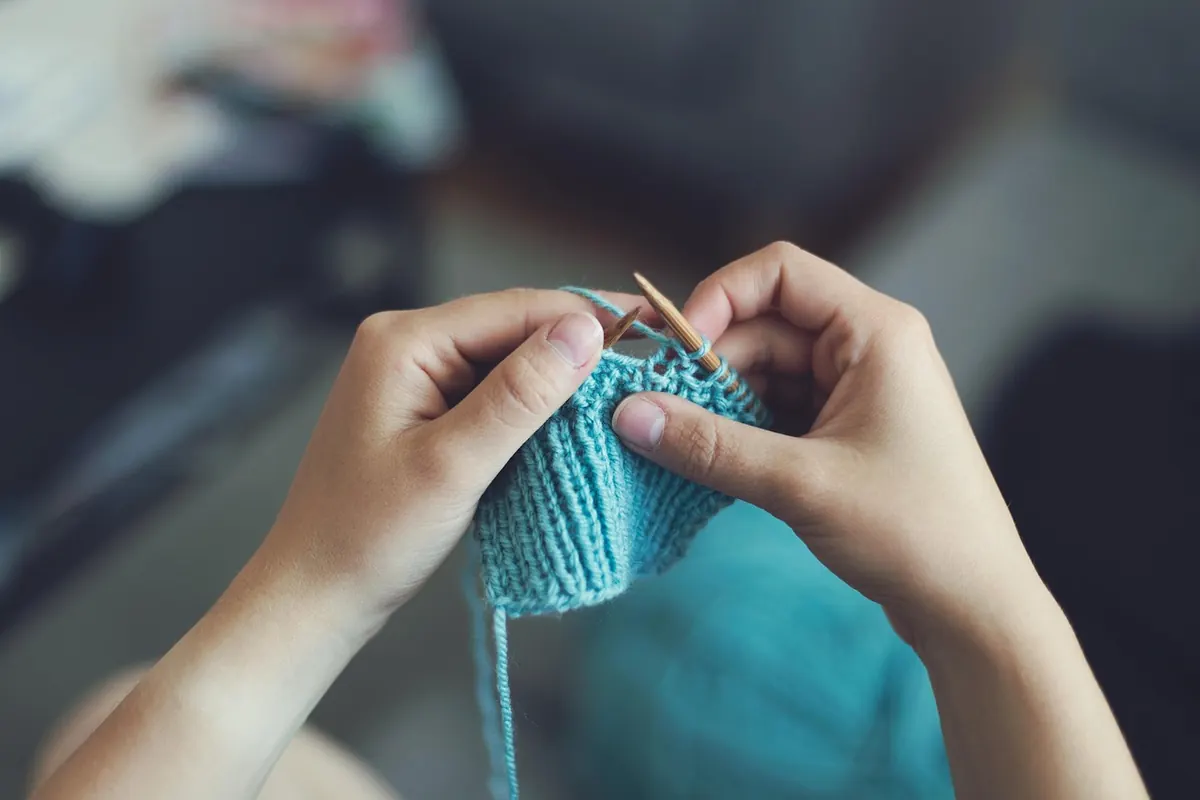
Colourwork is where knitting gets personal. A plain hat is a good hat, but a hat with a two-colour band of chevrons says something about the hands that made it. It is also the point where a lot of knitters discover that the rules shift. Gauge behaves differently, contrast matters more than colour, and a chart is a document to be read rather than a picture to be admired. None of it is hard once you know what to check before the first stitch. What follows is the list I would hand anyone about to cast on their first stranded piece — the same checks, in the same order, that save the most frogging.
The yarn does more of the work than the chart does. Two yarns of the same weight, similar fibre content, and clearly different values will give you a legible pattern even when your tension wanders a little. Two yarns of similar darkness, however lovely they look side by side in the shop, will turn your snowflakes into a smudge at arm's length.
A few filters worth applying:
Variegated yarns deserve their own warning. A beautifully speckled skein will happily camouflage a two-colour motif. Use it as the background with a solid contrast, or save it for the single-colour project you cast on afterwards as a palate cleanser.
Here is the mistake almost everyone makes: knitting a flat swatch in plain stockinette, then casting on a colourwork tube. Stranded fabric pulls in. Most knitters work it at a tighter gauge than they work plain knitting, and nearly everyone purls at a different tension than they knit. A flat swatch cannot tell you how a hat will fit.
Swatch in the round. Either knit a small tube on a short circular or with a long cable looped for magic loop — six inches of circumference is plenty — or knit flat while carrying the unused colour loosely across the back of every row and cutting the loops afterwards. Work a few rounds of your actual motif, not just stripes, because colour changes affect tension too.
Then treat the swatch badly: wash it the way you will wash the finished piece, press it gently, and let it dry flat. Measure in the middle, away from the curled edges, and count stitches over four inches or ten centimetres. If your colourwork gauge is tighter than your plain gauge, go up a needle size or two — this is the single most common fix for a too-small colourwork hat. Write the numbers down, with the needle size, so the next project starts from knowledge rather than guesswork.
If the swatch feels stiff when you stretch it gently across your hand and does not spring back, your floats are already too tight. Fix it now, not after the ribbing.
A chart is a map with conventions. Each square is one stitch. Right-side rows are read from right to left, starting at the bottom. Wrong-side rows are read from left to right, though in most stranded work they are simply knit or purled in the colours shown. Symbols differ between designers, so the legend matters more than your instincts.
Do a dry run before you cast on:
Keep the chart on a magnetic board or a clipboard with a ruler under the current row. A sticky note moved up as you go is faster than counting from the bottom every round, and it stops the slow drift that happens when you knit while talking.
Floats should lie relaxed across the back, long enough that the fabric can open when you stretch it. Most knitters catch a long float every four or five stitches; fewer catches means less show-through on the front, but also more chance of snagging. Check every few rounds by stretching the work gently sideways — if the motif distorts and stays distorted, loosen up. Spreading the stitches on the right needle before you work them helps more than any other single habit.
When two colours meet, the one carried slightly lower tends to sit in front. That is useful, but only if it is consistent. Pick a position — one colour always in the left hand, or both colours always in the same order on your finger — and keep it for the whole project. Switch halfway and your motif will look patchy for reasons no amount of blocking will fix. Do not judge dominance from the wrong side; turn the work over and look at the right side from a metre away.
A worsted or DK-weight hat, cowl or pair of mittens teaches you everything colourwork has to teach with none of the consequences. Small tubes let you see progress, and a mistake costs an evening rather than a season. Save the fingering-weight allover sweater, the steeks and the five-colour mitten for later. If you want a trial run with no risk at all, make a hat-sized swatch, felt it if you like, and call it a potholder.
Before you cast on, run through this once. It takes five minutes and settles the nerves.
Then cast on, work the first round slowly, and look at it. If the motif reads clearly from a step back and the fabric still has some give, you have done the difficult part already. The rest is just rows.
Photo: Foundry / Pixabay